
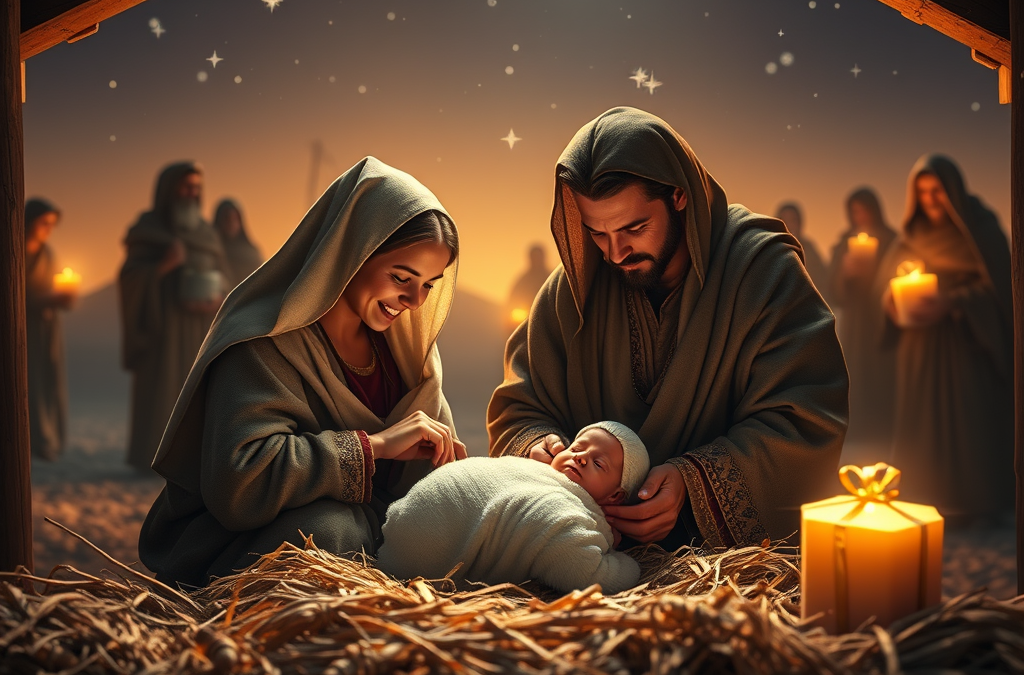
Christmas: A Historical Moment with an Eternal Meaning
Christmas is celebrated around the world each year, but beyond the lights, music, and traditions lies a historical event that changed humanity forever: the birth of Jesus Christ.
The Historical Foundation of Christmas
Jesus of Nazareth is one of the most documented figures in history. His life is referenced not only in the Bible but also by non-Christian historians such as Tacitus and Josephus, confirming that Jesus lived, taught, and was crucified under Roman authority. While Scripture is our primary source, history itself affirms His existence.
The Bible records Jesus’ birth in the Gospels of Matthew and Luke, describing how He was born in Bethlehem during the reign of King Herod the Great (Matthew 2:1; Luke 2:1–7). Roman records of a census under Caesar Augustus align with the biblical account, grounding the Christmas story in a real historical timeframe.
While the Bible does not specify the exact date of Jesus’ birth, December 25 became widely recognized centuries later. Early Christians were less focused on the date and more focused on the event—God entering the world in human form.
Why the Birth of Jesus Matters
Christmas is not merely the celebration of a baby’s birth; it marks the fulfillment of prophecy. Hundreds of years before Jesus was born, the prophet Isaiah wrote:
“For unto us a child is born, unto us a son is given…” (Isaiah 9:6)
Jesus was not born into royalty, but into humility—laid in a manger, visited by shepherds, and later honored by wise men from the East. This reflects God’s character: approachable, humble, and intentional.
Christian faith teaches that Jesus is Emmanuel—God with us (Matthew 1:23). Christmas is the moment when God stepped into human history, not to condemn the world, but to redeem it.
Christmas Traditions and Their Meaning
Many Christmas traditions have evolved over time, but several point back to Christ:
- Giving gifts reflects the gift of Jesus and the gifts brought by the wise men.
- Light symbolizes Jesus as “the light of the world” (John 8:12).
- Evergreen trees represent eternal life through Christ.
- Carols were originally written to proclaim theology through song.
Though cultural expressions vary, the heart of Christmas remains the same for believers: remembrance and worship.
The Heart of Christmas Today
In a world filled with noise, Christmas invites us to pause and remember a simple but profound truth: God came near.
Jesus’ birth set in motion everything Christianity stands on—His life, His teachings, His sacrifice, and His resurrection. Christmas is the beginning of the Gospel story.
As Luke records the angel’s words to the shepherds:
“For unto you is born this day in the city of David a Savior, who is Christ the Lord.” (Luke 2:11)
That declaration still stands today.
Closing Reflection
Christmas is not about perfection, performance, or pressure. It’s about promise fulfilled. It’s a reminder that God keeps His word, enters our brokenness, and offers hope to the world through Jesus Christ.
When we strip away the excess, Christmas stands firm as a historical moment with eternal impact.
Christ came. Hope was born. The world was changed.